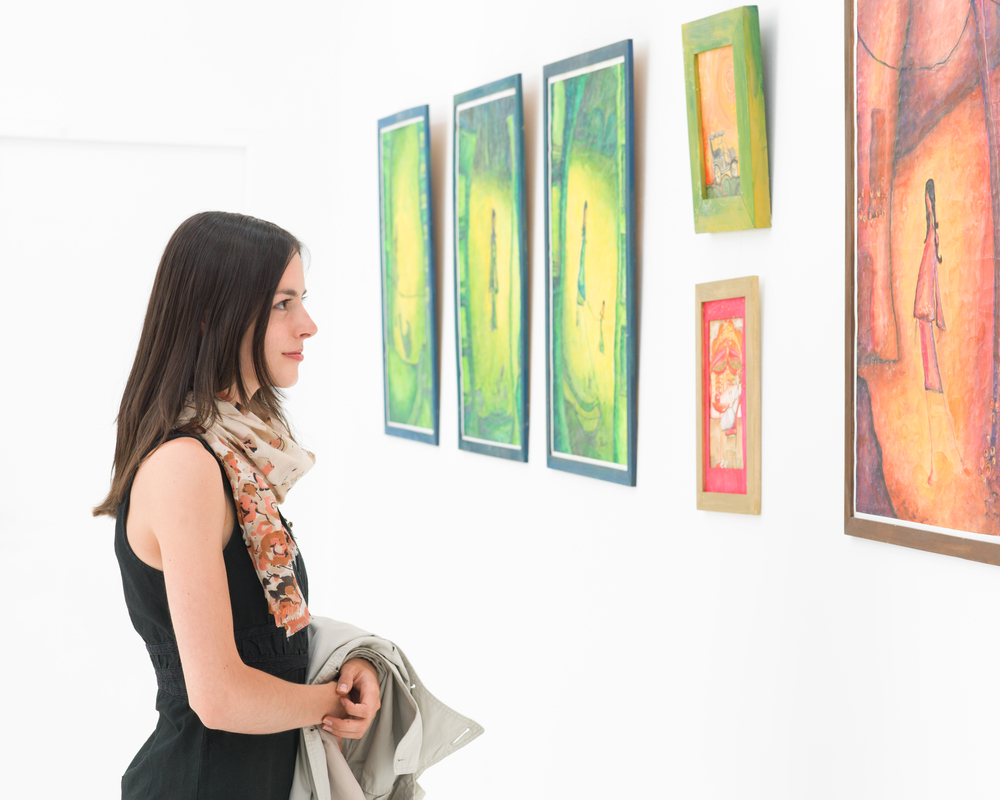
The British capital houses some of the finest art galleries on the planet. Preeminent among them is the city’s famous London National Gallery, which was established in 1824. When it opened to the public its collection consisted of just 36 art pieces. Visitors now can set their eyes on more than 2,000 of the famous paintings covering different eras of history, while featuring creations from almost every art school of Europe. For art aficionados, a visit to London must include a visit to its famous National Gallery.
Those visiting London with their families will find many hotels with family rooms in London like the group of Shaftesbury hotels in London.
A suitable option in the centre of the city would be a hotel near Hyde Park like the family-friendly Shaftesbury Hotel Paddington. Suitably located with a host of family-friendly amenities, it would be an ideal start-off point from which to explore the city. The National Gallery is just a 20-minute ride from the hotel and definitely worth checking out, with some of the best art exhibits on display such as:
Venus and Mars: Probably Botticelli’s finest creation Venus and Mars have stirred the imagination of countless poets, writers and artists alike. The painting features The Goddess of Love (Venus) awake and pensive, while The God of War (Mars) is in a state of repose. The possible message that this artwork conveys that love triumphs over war or all. The piece was created for the Vespucci noble family signified by a nest of wasps, which featured in the family’s coat of arms. It can be seen on the right above Mars’ head as he is asleep.
Sunflowers: Apart from more of Van Gogh’s creations at the Gallery, Sunflowers is probably the most iconic of his creations. It is part of a quartet of paintings with the same floral theme that was painted in the period of August-September 1888. All four of his creations have led to spirited debates between scholars of his artworks. The main piece was created adopting a method called impasto, which uses thick strokes of the brush to add layers of the colour. This was very effective in replicating the seed’s texture in the flower’s centre. These paintings were specially made by Van Gogh with the intention of presenting them to Gauguin for display at his home in South France’s Arles. The house was befittingly called the Yellow House with the Sunflowers paintings complementing the name. Another Van Gogh masterpiece to view at the National Gallery is ‘A Wheatfield with Cypresses’ done in 1889 when he was institutionalised at St Remy’s asylum.
Bacchus and Ariadne: Another gem of a creation by Titian that drew inspiration from ancient Roman mythology, in this case, Bacchus the God of wine and theatre. It shows him jumping from his chariots after he falls to the charms of Ariadne. It is the greatest masterpiece by Titian and was a collaborative venture with Dossi and Bellini. The Duke of Ferrara, Alfonso d’Este commissioned the piece for the Ducal Palace’s Alabaster Room.

 Olivia's Travel Tips